Cuba
Cuba
-- a sense of community. 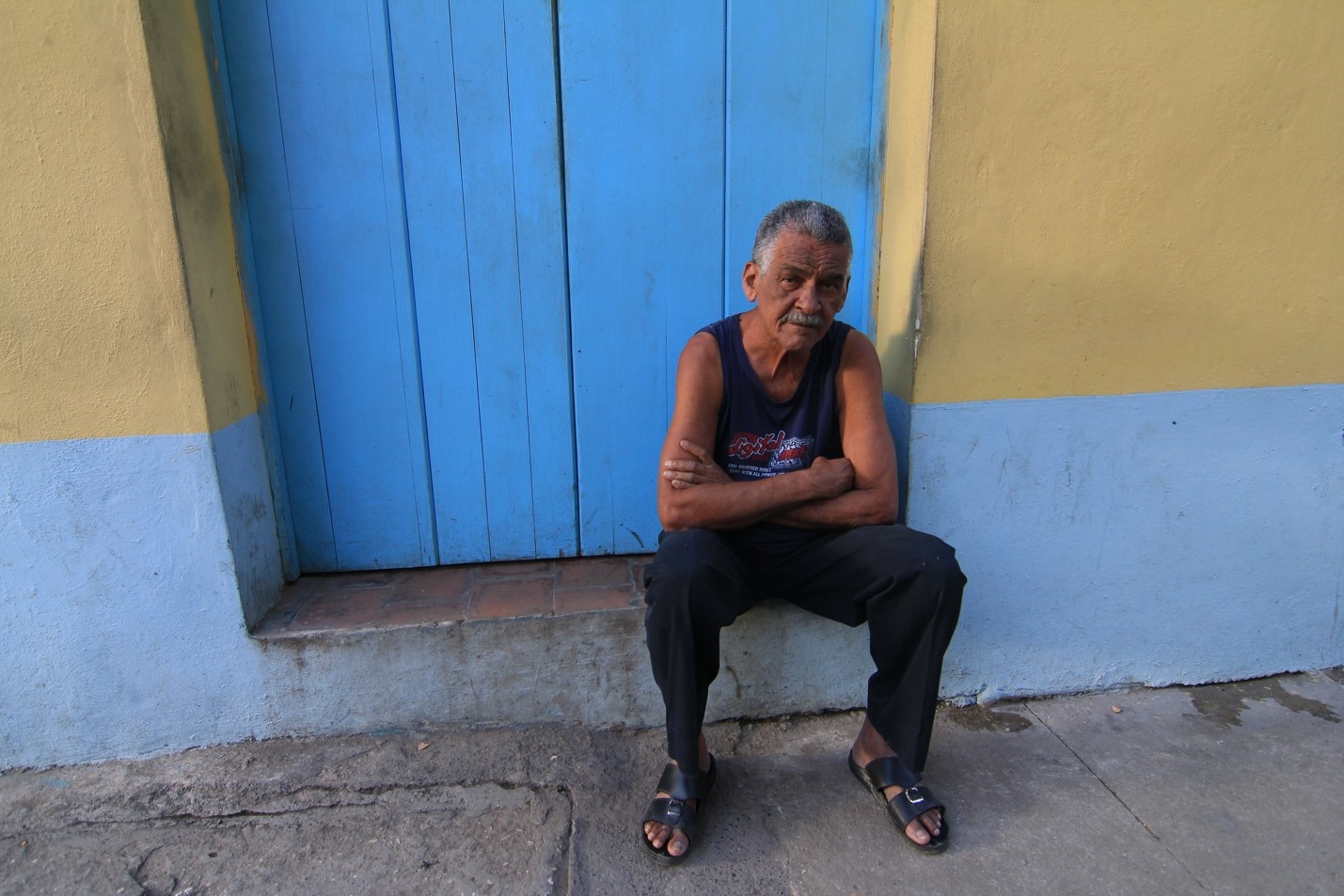
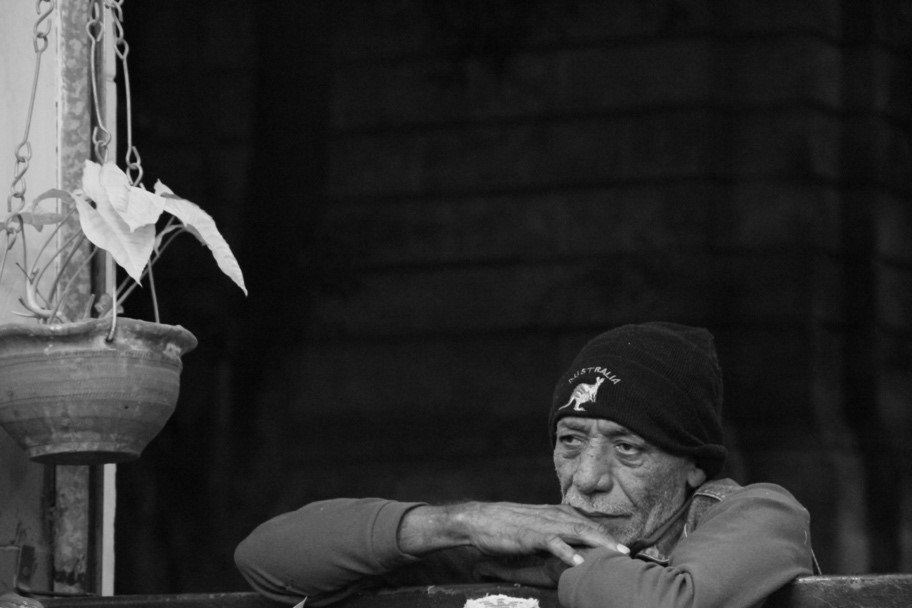
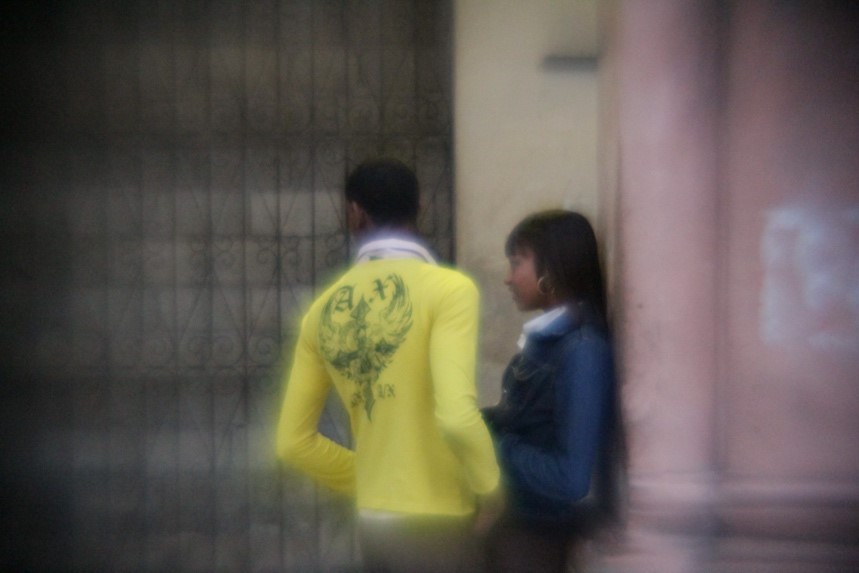
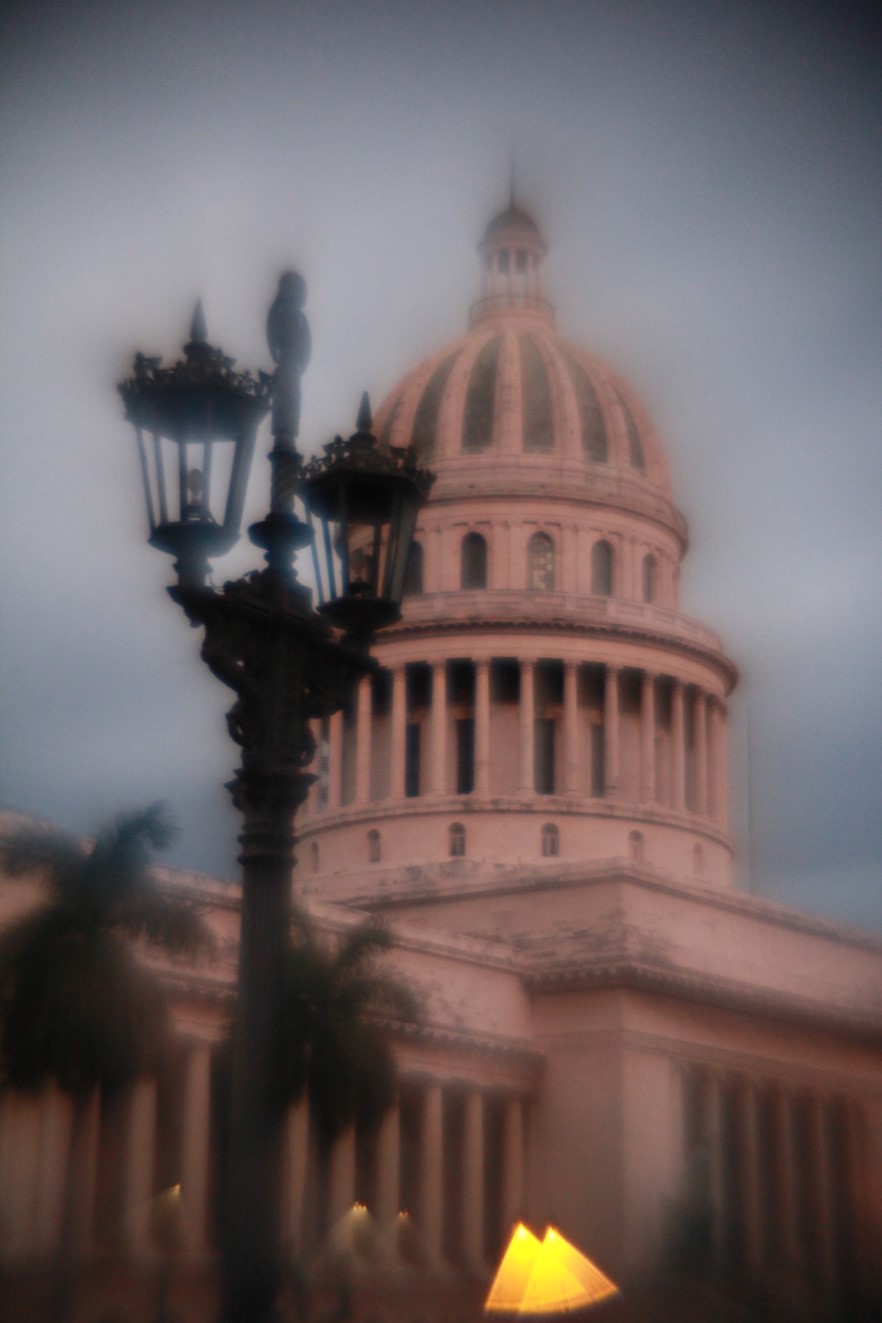
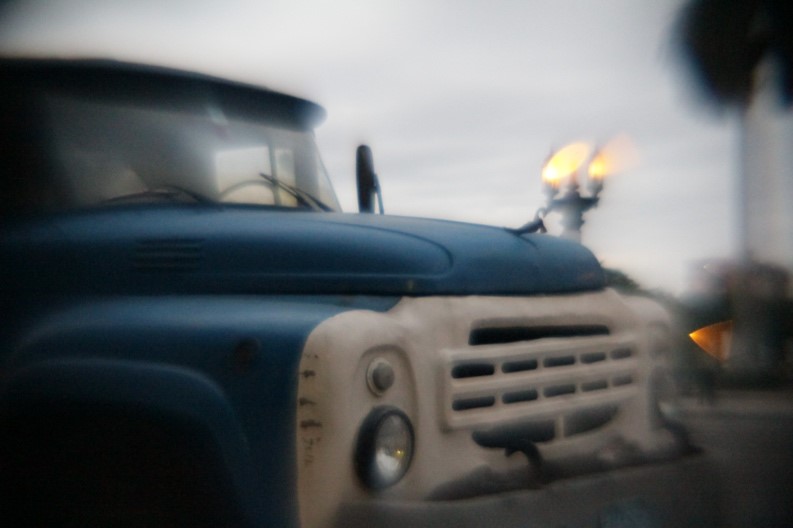
I had wanted to see Cuba since the late ’60s, when I was in the Peace Corps.
There, among students and dreamers, Cuba was a kind of promise — a symbol of possibility and hope.
By the time I finally arrived decades later, it was a country strangled by a forty-year-old embargo.
Cubans were survivors — resourceful and worn, laughing anyway.
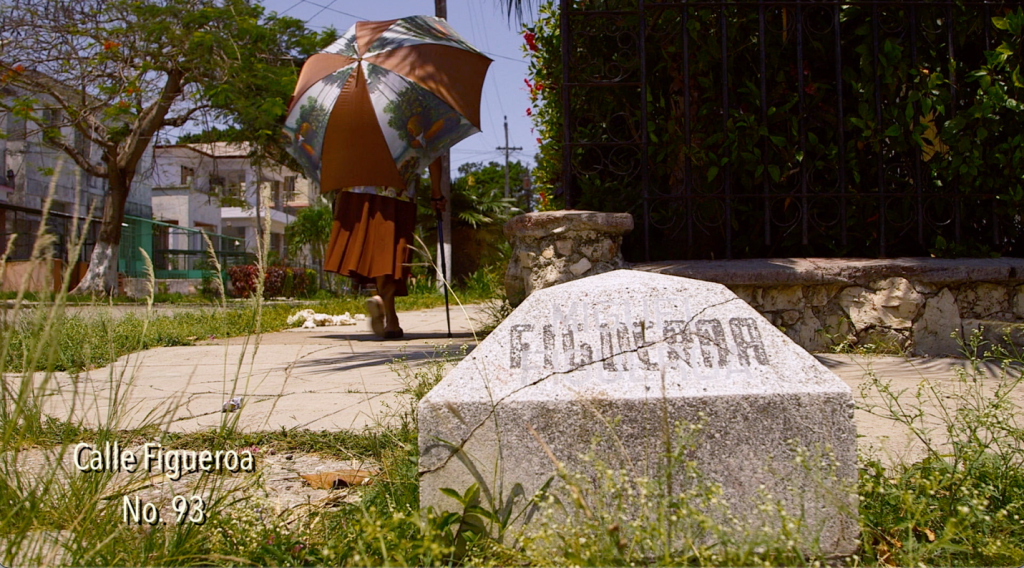
Calle Figueroa
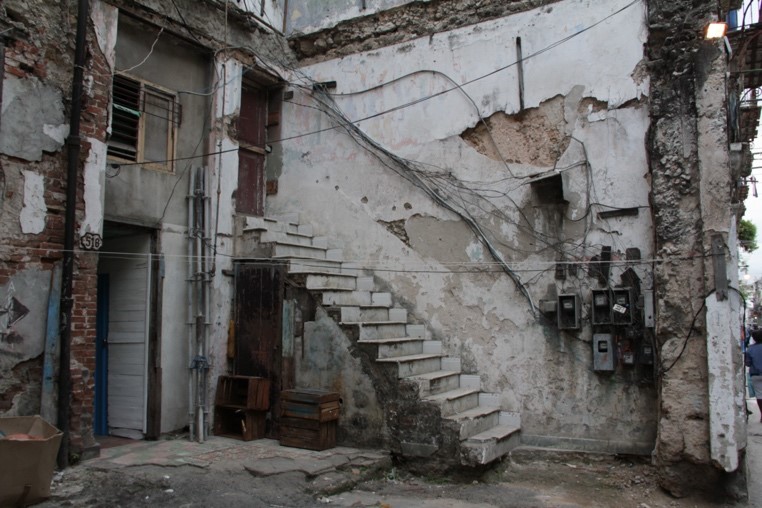
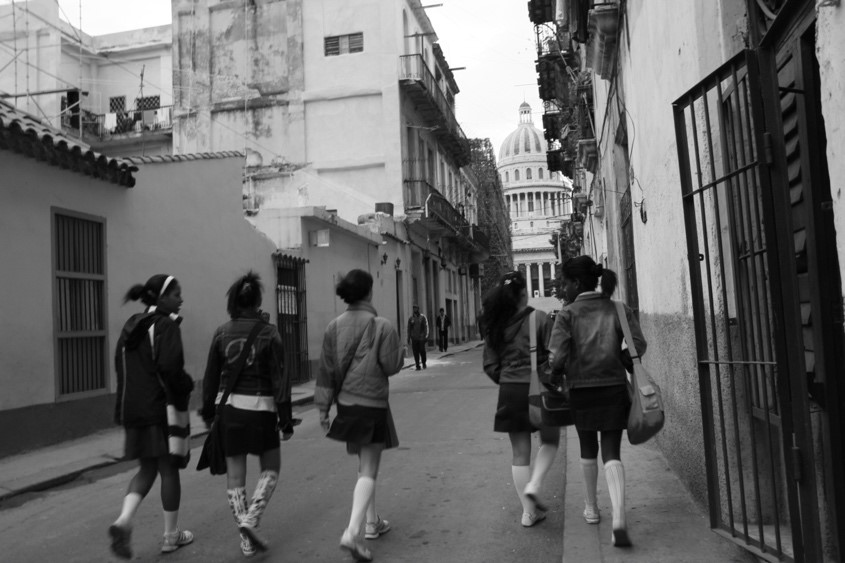
A journey along Calle Figueroa — a short, mostly residential street just outside downtown Havana.
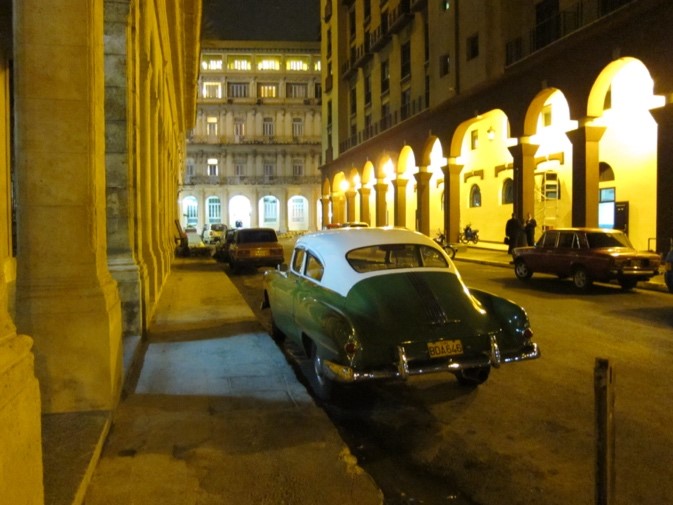
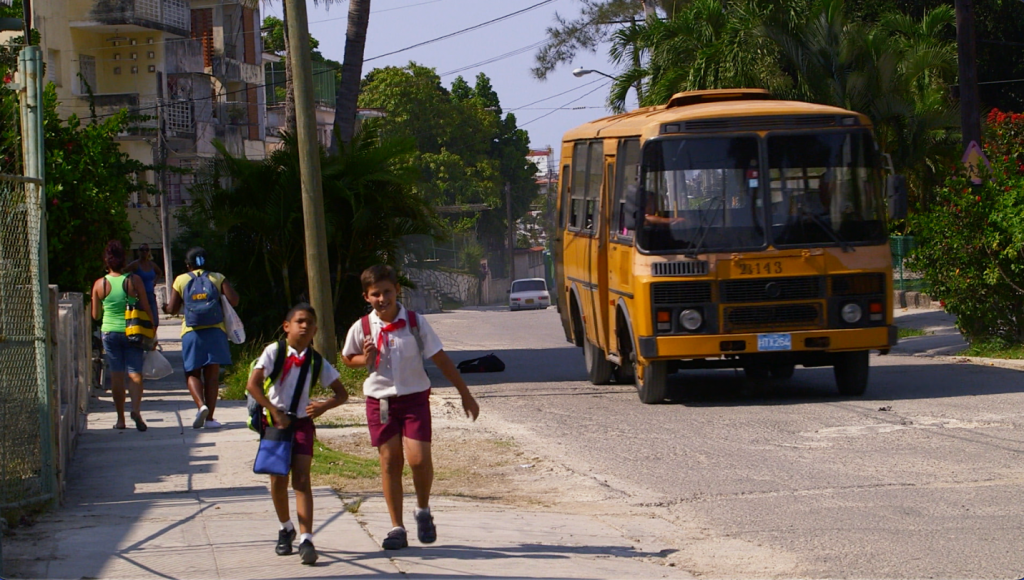
At first glance, there’s little to distinguish it: modest homes, small shops, a primary school, and an old ark parked by the curb.
There was no particular reason to choose this street.
And that was exactly the reason.
In its very ordinariness, Calle Figueroa offered a chance:
to step outside the symbols, the slogans, the guided narratives — and simply watch how people live.
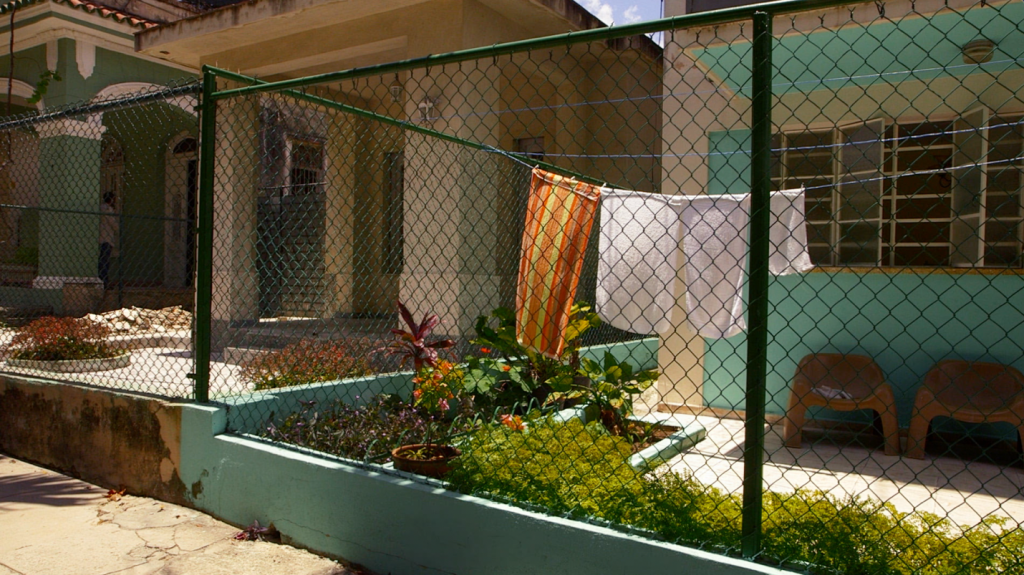
Clothes dry in front of 122 Calle Figueroa
We weren’t searching for heroes or monuments — just a place where things unfold as they do. Where faces are familiar, and gestures repeat across generations. We wanted to see how Cuba lives when no one is watching. When the stories are too small to summarize.
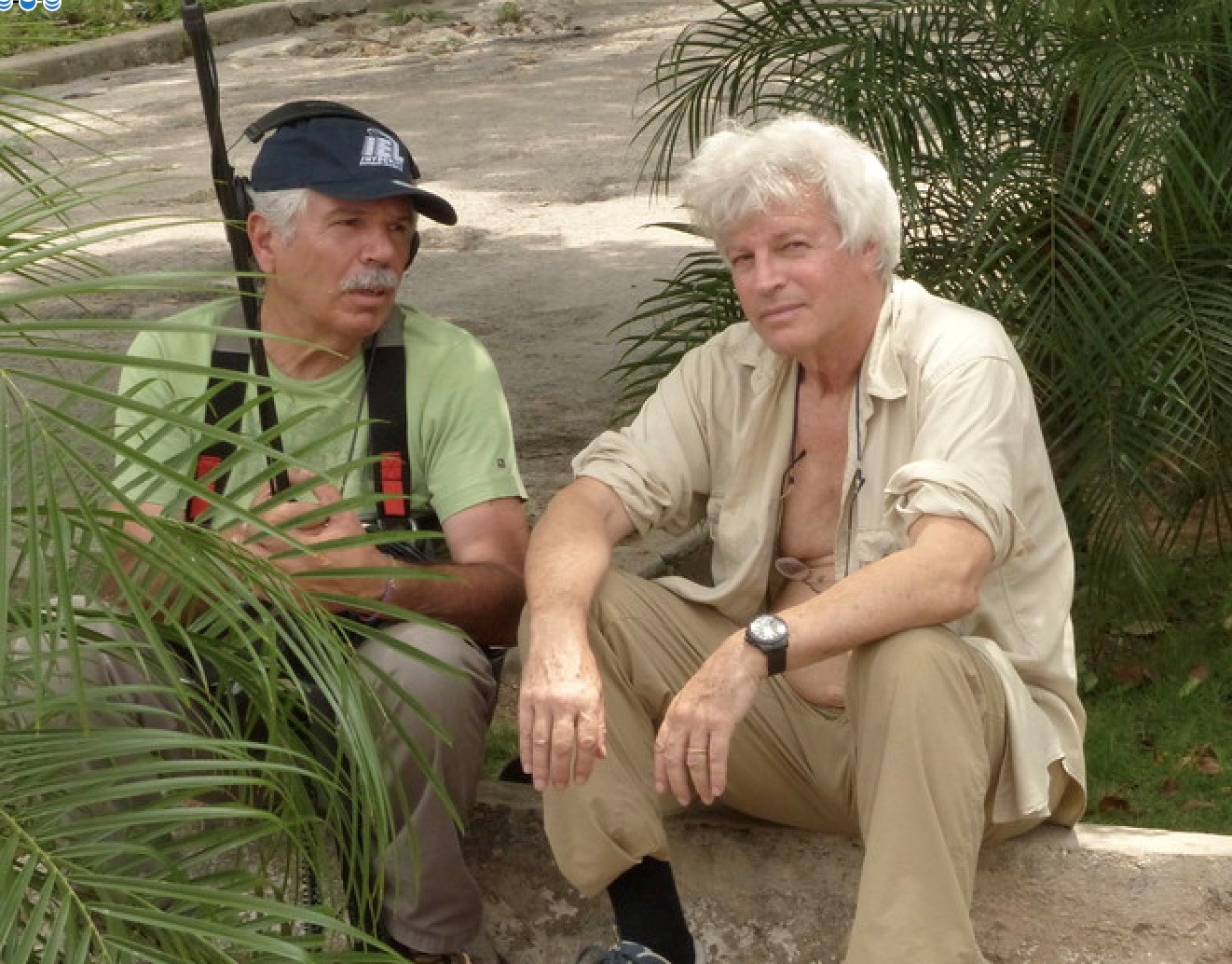
So we filmed. Slowly. Quietly. One conversation, one corner, one frame at a time.
Guys on the Bench
We couldn’t miss the guys on the bench.
They were always there — same spot, most of the day…
And every day I’d stop, ask a new question, see how they were doing.
Now retired, they talked about life.
We asked them, “What do you talk about?”
They grinned and said, “Everything.”
They meant it — politics, old girlfriends, sugar prices, the heat, how the street’s changed, how it hasn’t.
They were delightful. Welcoming. Full of stories and laughter.
They didn’t try to perform for the camera.
They just sat, spoke, smiled, waved.
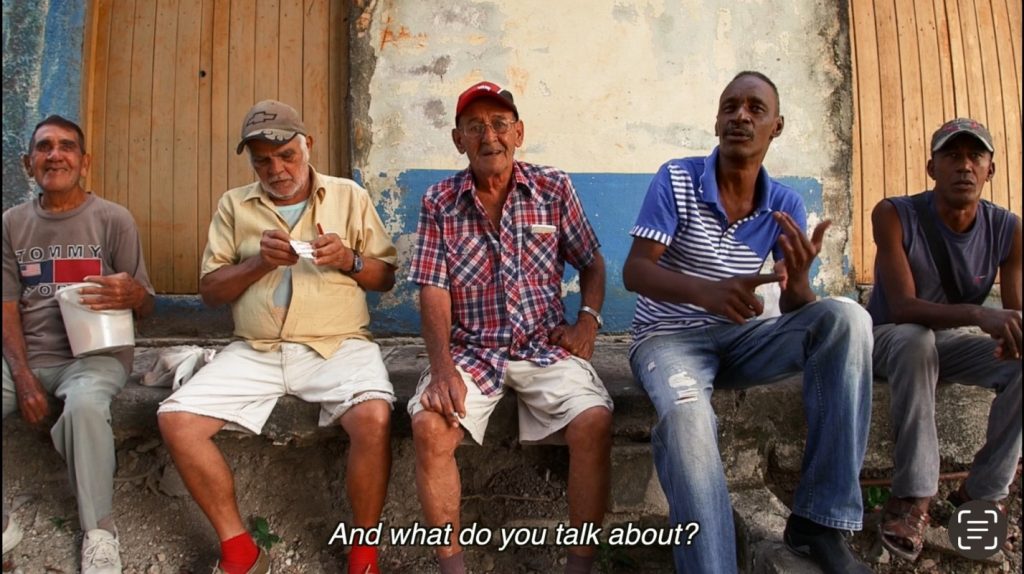
They were Cuba.
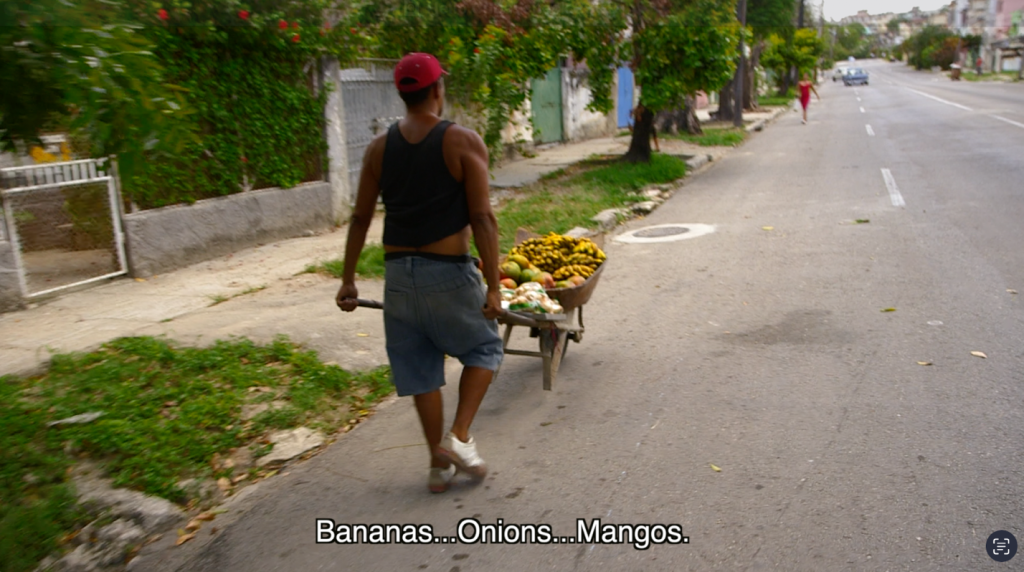
just enough for the right ears to hear.
The rhythm is his own.
The inventory changes.
The street remembers.
At 432 Calle Figueroa, she speaks through the bars of her front fence, softly — like the flower she’s already chosen to give.
A single bloom, held out not as decoration, but as invitation to friendship.
“Dos Gardenias para ti…” The old song hums on the soundtrack, as if it, too, has waited for this moment.
At 43 Calle Figueroa, children on their way to school
Red Cap. Yellow Fruit.
He pushes the wheelbarrow with one hand,
shields his eyes with the other.
Plátano… cebolla… mango,
he calls, not too loud —
The Beauty Shop
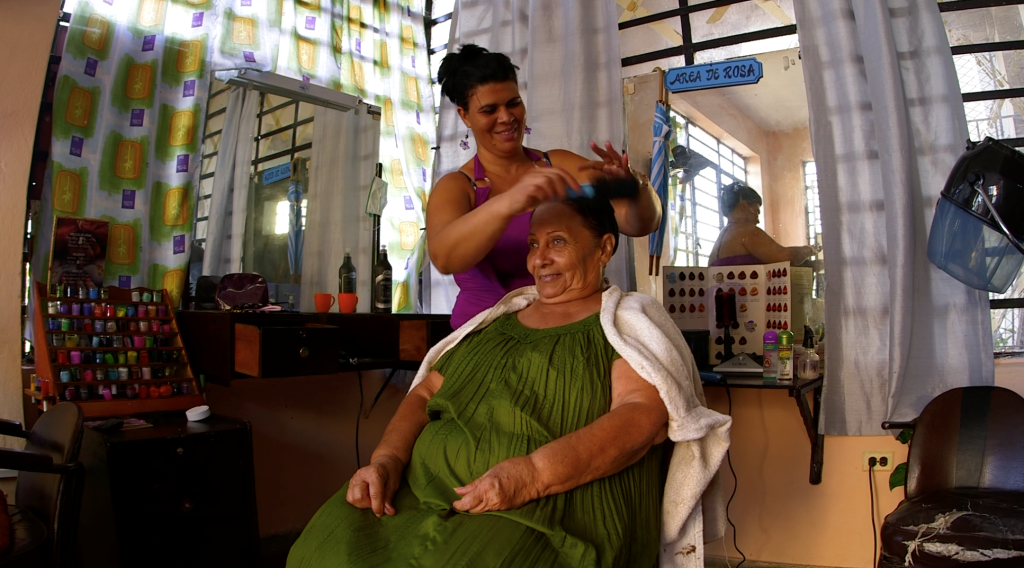
Three chairs, one mirror, endless stories.
Hair half-set, coffee half-sipped.
The hairdresser waves her comb like a conductor.
The regular client laughs until her eyes close — at us,
at life, at nothing in particular.
“Look at the gringos,” she says, “filming like it’s something special.”
Then she laughs again, making it so.
The Dent
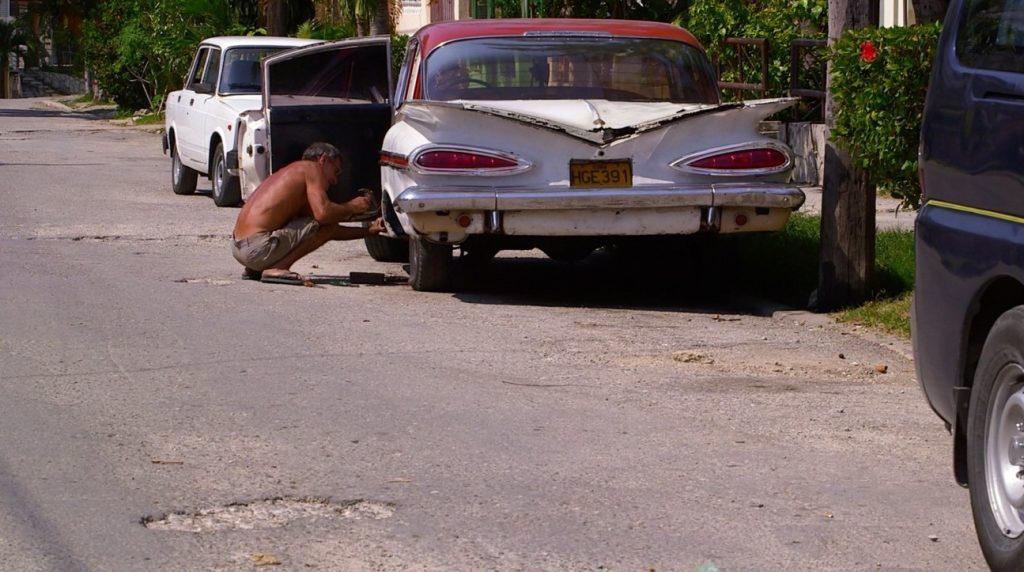
He was working on it yesterday. And again today.
A hammer in the shade, setting a rhythm that echoes up the street — metal against metal, years against years.
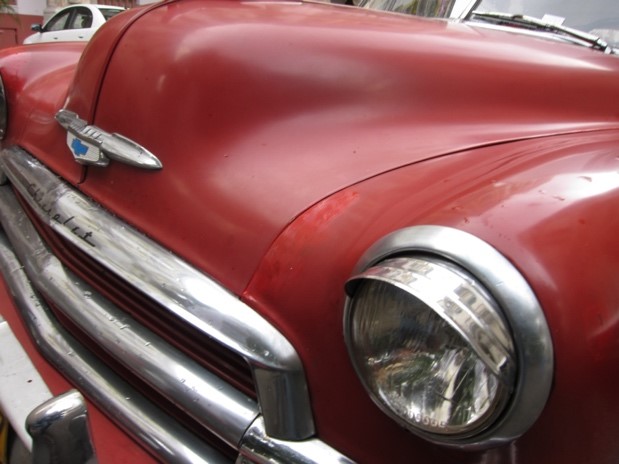
The car? A 1959 Chevy Biscayne, kept breathing long after the embargo stopped time.
It doesn’t purr. It endures.
Across from 324 Calle Figueroa, she opens the kiosk shutters with a practiced rhythm — first the top, then the sides. Inside: a small glass case of pastries, a tin coffee pot, three paper napkins folded just so. A license taped to the wall marks her as one of Cuba’s new entrepreneurs — a woman carving out a business, sweet by sweet, in the shadow of revolution and the light of possibility.
Customers stroll up all day, some using government-issued chits to cover basic purchases, rations to help over rice, sugar, cooking oil and soap.
A little farther down, four friends argue in soft, familiar tones. They’re leaning against Figueroa 89, gesturing as much with their elbows as much as their words. Whether it’s baseball or politics, it’s hard to say. The rhythm of the street absorbs it all.
Then comes the sound: a wheelbarrow, its metal front tire wobbling off-center, clicking its way over the uneven concrete. The man pushing it leans slightly forward, like he’s coaxing it through one more trip — coaxing himself a bit too.
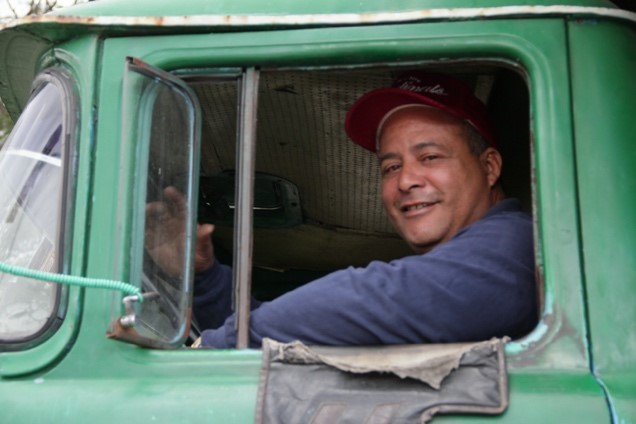
He came from Oriente Province — a red cap on his head, green fatigues still crisp with memory.
He showed us his medals one by one.
In the rebel army, he said. In the mountains until the triumph — January 1959.
Proud of the cause. Cuba, he told us, is an example to the world.
“Are there problems? Of course,” he said.
“But everyone eats. Better or worse. Everyone has a roof. Food. Water.
Light. Medical care. School. Roads.”
He paused. Then smiled.
“That’s a luxury.
There’s still much to do? Of course.”
He adjusted his red cap, looked glanced out the window, and said it again, not as a boast but as a fact hard-won:
“That’s a luxury.”